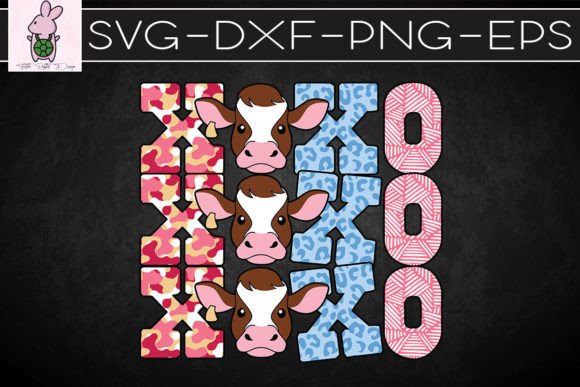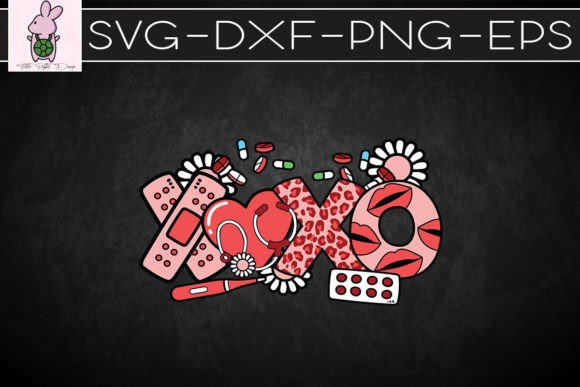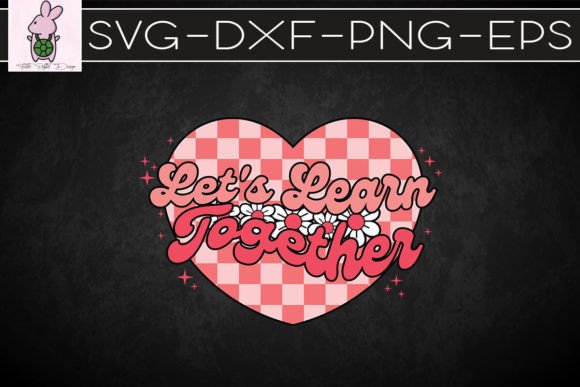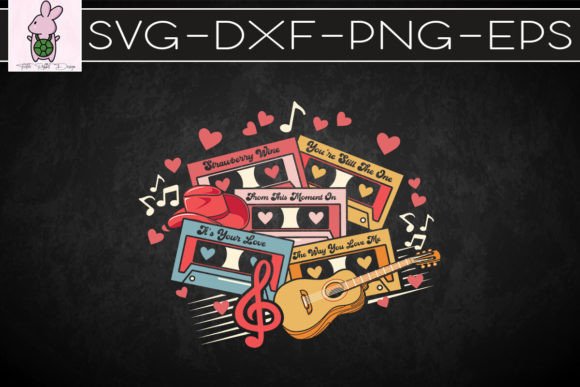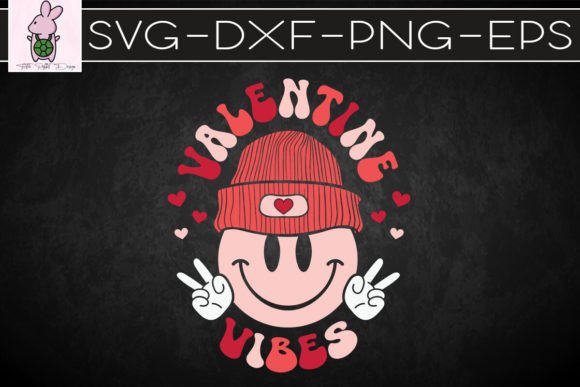
Valentine Vibes Cartoon Cap for Graphics & Crafts
I downloaded the Valentine Vibes Cartoon Cap design kit on a Tuesday afternoon, right before planning a seasonal product drop for my Etsy shop. The file came packaged as a multi-format bundle, which immediately told me the creator understands how digital sellers actually work. We don't need one file type. We need flexibility across cutting machines, design software, and print setups. This asset promised SVG, PNG, and DXF formats, and everything arrived clean and organized.
My first scan of the artwork left me with a clear impression. This isn't a generic heart slapped onto a cap silhouette. The cartoon cap has personality. The proportions feel playful, the linework is smooth, and the Valentine-themed details sit comfortably within the shape without overpowering it. The mood lands somewhere between cute and commercial, which matters. A design that skews too cutesy limits your buyer pool. Something too stiff misses the seasonal impulse-buy energy. This strikes a balance that works for t-shirt graphics, mug designs, and printable cards alike.
Who This Design Speaks To
Before testing any graphic design asset, I ask myself who would click on a thumbnail featuring this artwork. With Valentine Vibes Cartoon Cap, the answer came quickly. This appeals to gift shoppers browsing for couple-themed merchandise, crafters making personalized Valentine's day apparel, and print-on-demand sellers building seasonal collections. The cartoon style feels approachable without being childish. It would sit comfortably on a unisex hoodie, a tote bag, a tumbler wrap, or a greeting card mockup.
The niche overlaps with several profitable categories. Think handmade business owners who sell at Valentine's markets. Think Canva template sellers creating social media graphics for small businesses. Think Cricut users making iron-on transfers for matching couple shirts. The visual personality of this cap design opens doors across digital downloads, physical crafts, and printable products.
File Quality and Technical Reality
I opened the SVG file first in Adobe Illustrator. The paths were clean, the node count was reasonable, and the scaling behaved as expected. For a cup-sized design, the proportions were well-considered. The artwork scaled up to a 12-inch print area without degradation, which means it handles t-shirt front prints and tote bag placements with room to spare. Scaling down to sticker size preserved the essential details, though I would recommend keeping the design above 2.5 inches for best legibility on smaller products.
The PNG file arrived with a genuinely transparent background, not a muddy alpha channel that causes headaches during mockup placement. Resolution checked out at 300 DPI, which meets the standard for printable designs and sublimation transfers. I dropped the PNG onto a dark mockup background, a white product listing thumbnail, and a kraft paper texture. The edges held clean across all three scenarios. That transparency integrity matters enormously when you're placing a design onto product mockups or layering it inside Canva templates for customer-facing previews.
The DXF file opened without issues in Silhouette Studio, which is not always a given with multi-format bundles. Too many DXF exports carry broken paths or scaling quirks. This one transferred smoothly, suggesting the original designer tested the format before bundling it.
Real Product Applications
I spent an afternoon running Valentine Vibes Cartoon Cap through practical product tests. Here's where it performed well:
- T-shirt graphics — The design sits naturally on a chest print area. The cartoon cap motif reads instantly, which is what you want in apparel design. A customer scrolling through listings should grasp the concept within a second. This passes that test.
- Mug designs — The cup-sized proportioning makes sense here. On an 11oz mug template, the artwork filled the printable area without awkward cropping. Sublimation sellers can use this straight out of the download.
- Tote bag prints — Centered on a canvas tote mockup, the design looked intentional and gift-ready. Paired with a short script phrase underneath, it could become a strong Valentine's product.
- Printable greeting cards — At 5x7 inches, the design worked as a focal point on the card front. Left room for a handwritten-style message, which is exactly how buyers use printable card templates.
- Planner stickers and decals — Sized down to 2.5 to 3 inches, the cap design remained recognizable. The SVG cut lines were clean enough for kiss-cut sticker sheets.
- Social media graphics — Bloggers and content creators building Valentine's promotional visuals will appreciate the easy-to-place PNG. The transparent background means it layers onto any brand color palette without a white box ruining the aesthetic.
Where Caution Is Needed
No design asset is universal, and Valentine Vibes Cartoon Cap has its boundaries. I tested it on several product types where I would hesitate before publishing:
- Tiny sticker details — Below 1.5 inches, the finer cartoon elements start to blur. If your product line includes miniature sticker sheets or nail decals, this may not be the right asset.
- Overly complex layouts — The cap design works best as a focal point. Cramming it into a text-heavy template or a busy pattern background dilutes its impact. Give it breathing room.
- Low-resolution print products — While the PNG is high-resolution, any print-on-demand product with a small printable area and low DPI output will struggle with the finer lines. Test on your specific platform's mockup generator before listing.
- Dark backgrounds with weak contrast — Depending on the colorway you choose, the design may need a subtle outline or a lightened version for dark garments. The standard black linework can disappear on navy or charcoal fabrics.
- Cricut projects requiring intricate weeding — The design has moderate detail. For iron-on vinyl, the weeding is manageable. For very small cuts on adhesive vinyl, budget extra production time and test your blade settings.
Testing Before You List
Every seasoned digital product creator knows the gap between downloading a file and trusting it on a live listing. I ran a five-point test that I recommend to anyone evaluating this commercial design for their shop:
- Mockup preview test — Place the design on at least three different product mockups. T-shirt, mug, and tote bag are my baseline. Check how it reads at thumbnail size, which is what customers see while scrolling.
- Background contrast test — Preview the artwork on white, cream, black, and a mid-tone colored background. Confirm the design holds visual weight across all four.
- Print test — If you sell physical products, print the design at actual size on your target material. Colors on screen rarely match sublimation output or printable vinyl exactly. Adjust and profile as needed.
- SVG cut test — Run a test cut on your Cricut or Silhouette machine. Check weeding time, transfer ease, and how the design holds up after pressing or adhering.
- Thumbnail simulation — Shrink your mockup to Etsy thumbnail dimensions on your screen. Can you still tell what the product is? If the cap design becomes a blur, reconsider your layout or product type.
Pairing With Fonts and Layouts
The Valentine Vibes Cartoon Cap design plays well with text, but the font pairing makes or breaks the final product. During my testing, I found that script fonts with a relaxed, handwritten feel complemented the cartoon style naturally. A bouncy serif added a touch of warmth without competing with the illustration. Sans serif fonts worked for clean, modern layouts where the cap artwork needed to carry the emotional tone. I would avoid heavy display fonts that overshadow the design or thin handwritten fonts that disappear next to the bold cartoon lines.
For Canva template sellers, this asset slots into Valentine's day social media posts, quote graphics, and promotional banners with minimal adjustment. The PNG's transparent background means you can layer it over soft pink gradients, textured paper backgrounds, or solid brand colors. The visual hierarchy stays clear when the cap design remains the dominant element and text plays a supporting role.
Commercial Licensing and Customer Trust
Before uploading any finished product featuring this artwork, confirm the commercial license terms. Most graphic design asset bundles include a standard commercial license for physical products and digital downloads, but restrictions on reselling the raw file or including it in derivative design bundles can vary. I always keep a copy of the license file in my project folder alongside the design assets. If a customer or platform ever questions usage rights, you want documentation ready.
From a buyer's perspective, products built with cohesive, well-chosen design assets tend to generate better reviews and repeat purchases. The Valentine Vibes Cartoon Cap artwork carries a consistent visual personality that can anchor a seasonal collection. If you use it across a t-shirt, a mug, and a printable card, the collection feels intentional rather than pieced together. That cohesion builds brand identity, which builds customer trust, which builds sales.
Organizing Files for a Smooth Workflow
When I receive a design bundle like this, I immediately rename and organize the files before a single project begins. My folder structure for Valentine Vibes Cartoon Cap looks like this: a master folder containing the original download, a working folder with copies for editing, and an export folder for finished product files. The SVG stays in a vector subfolder. The PNG goes into a raster subfolder with a note about its resolution. The DXF sits in a cutting machine subfolder. This might sound meticulous, but when you're managing dozens of product listings across multiple platforms, file organization prevents costly mistakes like uploading a low-resolution version to a print-on-demand partner.
Is This Asset Worth Adding to Your Product Lineup
After a full day of testing, mockups, and practical application, the Valentine Vibes Cartoon Cap design earns its place in a seasonal product collection. The multi-format delivery removes technical friction. The artwork itself carries enough personality to stand out on a crowded marketplace page without being so niche that it limits your buyer audience. For the price point of most design kits in this category, the return comes from even one successful product listing. A single t-shirt design that sells twenty units during the Valentine's season covers the cost of the asset and then some.
The real value lies in versatility. The same design file can become a sublimation print, a Cricut-cut iron-on, a greeting card, a social media graphic, and a sticker sheet. That flexibility means you can test the design across multiple product types, identify which ones resonate with your audience, and double down on the winners. For digital product creators, print-on-demand sellers, and craft business owners, that kind of testing agility is exactly what turns a seasonal trend into actual revenue.