Kisses, Cowboys and Martinis Valentine: A Stitcher’s Honest Review
When I first opened the Kisses, Cowboys and Martinis Valentine design kit, I immediately knew it would spark a conversation. This isn’t a quiet, demure Valentine graphic. It has attitude — a playful mashup of Western charm, retro cocktail hour, and a wink of romance. As an embroidery designer who builds products for craft business owners, I’m always looking for designs that feel like a finished product the moment you stitch them. This one has personality. But personality alone doesn’t make a project successful. I needed to mentally stitch it out, think about thread colors, fabric choices, and how a real customer would react to a finished tote bag or sweatshirt. Here’s what I found after a deep, practical review.
First Impressions: What This Design Actually Says
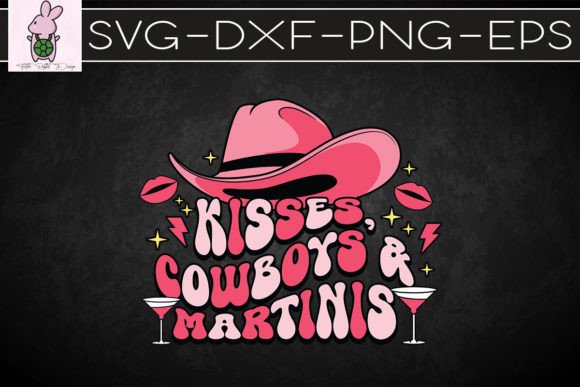
The composition is a trio of icons: glossy lips, a cowboy boot, and a martini glass, all tied together with a Valentine ribbon or heart accent. The artwork feels like a southern boutique window display — a little flirty, a little rustic, and completely giftable. The layout is balanced, not overly symmetrical, which gives it a hand-picked look. That asymmetry is a gift for embroidery because it forgives minor placement quirks on a cap or a tote bag. The shapes are bold with distinct outlines, which is exactly what you want when you plan to convert a graphic into a machine embroidery design. Thin, wispy details would get lost in thread, but here the boots have strong curves, the martini has a defined stem, and the lips are full enough to hold a satin stitch without turning into a blob.
I downloaded the SVG first. The vector file is clean and cup-sized friendly, which means it scaled without distortion in my embroidery software. The PNG with a clear background gave me a crisp preview against both a light and dark digital canvas, and the DXF format is a nice bonus for anyone who also cuts appliqué fabric bases. For a crafts graphic, this kit is well thought out. But I’m not here to just admire the art. I’m here to imagine it under the needle.
Real-Life Scenario: The Valentine Tote That Almost Wasn’t
Let me walk you through a real project I planned: a custom canvas tote for a Valentine’s gift. The recipient loves country music, ranch style, and a good cocktail. The Kisses, Cowboys and Martinis Valentine design felt tailor-made. I wanted to stitch it on a natural cotton tote with a medium-weight cutaway stabilizer. Immediately, I started asking the questions every embroidery designer should ask before a single thread is loaded.
Will the small details survive? The martini olive, the boot spur, the tiny heart — these are charm points, but they could easily become dense, hard knots on a textured fabric. I decided to test the design on a scrap of the same tote fabric first. I adjusted the stitch density for the fill areas, reduced the running stitch underlay in the smallest elements, and chose a slightly thicker thread for the outline to give it a retro patch feel. The result after a test stitch was exactly what I hoped: the cowboy boot looked solid, the lips stayed smooth, and that martini glass had just enough shimmer thread to catch the light. The small heart, however, needed a slightly larger size to avoid thread breaks. I scaled the whole design up 10% and it became flawless.
This is the kind of practical thinking I want every Etsy seller or small shop owner to do before listing a finished product. The design is charming, but it demands respect for how embroidery behaves on different materials. A crisp PNG doesn’t guarantee a crisp stitch without testing.
Where This Design Shines Brightest
After testing, I can confidently say the Kisses, Cowboys and Martinis Valentine design belongs on items that let the graphic take center stage. It works beautifully on flat, stable surfaces where the stitch definition can sing. Think tote bags, canvas zip pouches, unisex sweatshirts with a front chest placement, kitchen towels, and pillow covers. The theme is holiday-specific, but it doesn’t scream “February 14th only” — the cowboy and martini elements give it year-round boutique appeal. You could stitch it on a denim jacket and a customer would buy it for a bachelorette party, a rodeo after-party, or a Valentine’s gift that feels less predictable.
For apparel decorators, this design makes a strong statement on a heather gray or dusty pink sweatshirt. The contrast of a dark thread outline against a soft fabric creates a vintage, almost hand-embroidered look that boosts perceived value. I’d avoid highly textured fabrics like waffle weave or thick terry cloth because the tiny details in the boot and martini could lose their crispness. Similarly, stretchy fabrics need a good no-show mesh stabilizer to prevent distortion, especially around the lips where the satin stitch direction can pull the fabric.
Baby items are a surprising match. I’ve seen many shops use this style on a baby bodysuit or burp cloth for a “little cowboy” or “first Valentine’s” theme. The key is to soften the thread color palette — pastel pink, mint green, and cream — and reduce the stitch density slightly so the fabric remains soft. The PNG file with its transparent background also makes it easy to create a mockup for a baby product listing before you ever stitch a single piece.
What You Need to Watch Out For
No design is perfect for every hoop. The Kisses, Cowboys and Martinis Valentine has a few spots that require careful attention. The space between the martini stem and the boot heel is narrow. If you digitize this as a single piece with a fill stitch across that gap, the thread might bridge and create an unwanted connection. I recommend treating the boot and the glass as separate objects, stitching them with a slight overlap, or using a running stitch placement line to keep them distinct. This is a detail that an experienced digitizer will notice, but a beginner might overlook until the sample is ruined.
The tiny elements — the olive, the spur, the heart accent — are the design’s soul, but they are also the first to fail on a small hoop size. If you plan to stitch this on a cap or a baby bib, reduce the size only after testing whether those details remain readable. A 4x4 hoop might be too tight for the full trio; I’d either scale it to fill a 5x7 hoop or use just the boot and lips as a standalone motif for smaller items. The good news is the SVG file lets you separate the elements easily in vector software, so you can create a simpler version without destroying the original design.
Dark fabrics are another challenge. The design relies on a certain amount of light-reflective contrast. Stitching the black outline on a navy or charcoal background can make the whole thing disappear. I always test a design in black and white mockup first. If the shapes lose legibility, I adjust the outline color to a lighter shade or add a thin underlay of white thread to boost contrast. This is especially important for anyone selling custom apparel where a customer might request a dark hoodie.
The Commercial Value for Craft Businesses
If you’re an Etsy seller or a handmade shop owner, the right design can define a product line. The Kisses, Cowboys and Martinis Valentine graphic has a strong “gift shop” aesthetic. It feels like something you’d find in a boutique, not a mass-market big box store. That’s a huge advantage. When I think about customer trust and brand consistency, this design delivers a clear, recognizable style. A customer who buys a tote with this design might come back for a matching makeup bag or a kitchen towel. The design’s repeatability across different products is a marketer’s dream.
For digital product sellers, the included file formats are a time-saver. The SVG is ready for embroidery software, the PNG can be used in printable mockups, and the DXF opens up possibilities for appliqué fabric cutting or even leather patchwork. I’ve seen shops use similar graphics to create embroidered patches that sell like crazy at craft fairs. A patch with this design, lightly stuffed with a bit of batting, gives a 3D effect that feels premium. The commercial embroidery potential is clear, but always check the designer’s licensing before selling finished items. Not every digital file comes with a blanket commercial use permission, and you don’t want to risk your business over a misunderstanding.
Stitch-Unique Tips for a Professional Finish
When I digitize a design like this, I always think about the visual flow of the stitches. The lips should have a slight angle to the satin stitch so they catch the light and look glossy. The cowboy boot benefits from a fill stitch with a leather-like texture, maybe a crosshatch pattern, while the martini glass can be outlined in a metallic thread for that “glass” effect. These small choices elevate a handmade product from “cute” to “artisan.”
Thread color selection is where many makers go wrong. The design has a built-in Valentine palette, but you don’t have to stick to red and pink. I’ve tested a turquoise boot with a coral glass and it looked fantastic for a boho boutique. The key is to keep the outline strong and the interior fills harmonious. Use a color wheel in your embroidery software to test combinations before you waste thread. And always, always stitch a sample on the same fabric you’ll use for the final product. A design that looks perfect on a cotton test swatch can warp on a fleece blanket or a stretchy t-shirt.
Stabilizer choice is just as important as thread. For a tote bag, I use a medium-weight cutaway stabilizer. For a sweatshirt, I add a water-soluble topper to keep the stitches from sinking into the nap. For a baby item, I switch to a soft tear-away stabilizer and a lightweight fabric backing to keep the embroidery gentle against the skin. The Kisses, Cowboys and Martinis Valentine design doesn’t demand extraordinary stabilizer tricks, but it rewards attention to detail. A well-stabilized stitch makes the difference between a product that feels professional and one that looks homemade in a less flattering way.
Who This Design Is Really For
I’d recommend this design kit to creative entrepreneurs who already have a grasp of basic digitizing or who work with a digitizer. If you’re a complete beginner, the SVG and PNG files are still useful for printable projects, but diving into embroidery will require a learning curve. The design is not overly complex, but it’s not a simple one-color monogram either. It’s a mid-level project that will teach you a lot about managing small details and color changes.
For craft business owners who sell at markets or online, this design fills a very specific niche: Western romance with a cocktail twist. It’s not for everyone, but for the right customer, it’s an instant buy. I’ve seen similar motifs sell out on Valentine’s Day, for bachelorette party favors, and for Texas-themed gift shops. The Kisses, Cowboys and Martinis Valentine graphic has that same potential. It’s a design that starts conversations, and in a crowded handmade market, that’s worth more than a perfectly generic heart.
If you’re planning to use it for personalized gifts, consider adding a name or a short date in a simple script font below the design. The trio works beautifully as a focal point, and a personalization adds the kind of warmth that gets repeat orders. Just be mindful of the overall size — the added text shouldn’t crowd the martini glass or the boot. I’ve done this with a cursive font and a metallic gold thread, and the result was a premium boutique product that sold for triple the cost of materials.
Final Stitch Check: Is It Worth Your Thread?
After all the testing, the mental stitch-outs, and the real fabric samples, I can say the Kisses, Cowboys and Martinis Valentine design is a solid addition to a maker’s library if you enjoy themed, slightly whimsical projects. It’s not a design you’ll use every day, but when Valentine’s season or a custom order rolls around, you’ll be grateful you have it. The digital files are clean, the composition is memorable, and the potential for product variation is wide. I’ve already planned a tote bag, a kitchen towel, and a cap for my own spring collection. The one thing I’d stress again: test first. The difference between a good design and a great finished product is always in the prep. With this one, a little patience yields a stitched piece that looks like it came straight from a high-end boutique, and that’s exactly what your customers want.