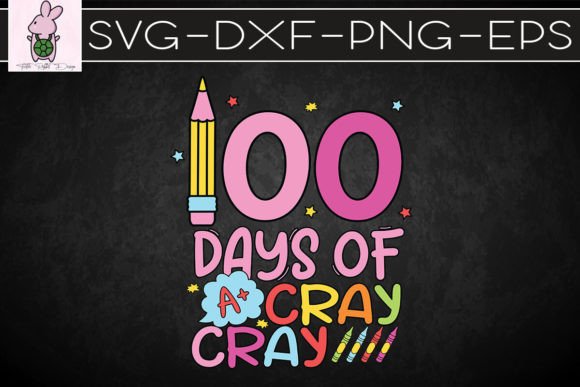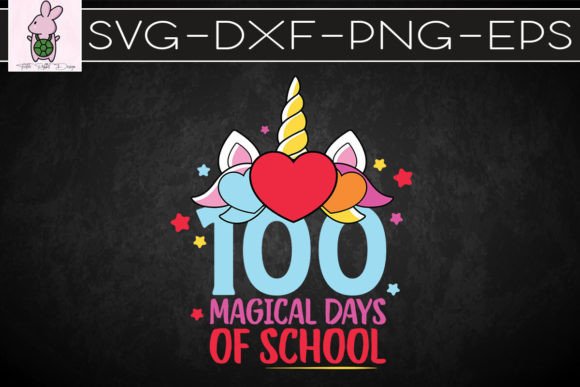
100 Magical Days of School Embroidery Design Review
First Impression: A Milestone With Personality
When I first opened 100 Magical Days of School, I immediately pictured a kindergarten classroom in mid-February, kids wearing tiny paper crowns, and a teacher who genuinely wants to make every small achievement feel enormous. That is exactly the energy this design captures. The mood is playful without being cartoonish, celebratory without feeling manufactured. It sits somewhere between a scrapbook title and a handmade badge of honor, and that sweet spot is where the best embroidery projects live.
As a designer who has tested hundreds of milestone-themed embroidery files, I can tell you this one has a clear sense of purpose. The layout feels balanced. The typography has enough weight to stitch cleanly, and the visual personality reads as warm, approachable, and just whimsical enough to delight a child without confusing an adult buyer. If you sell on Etsy or run a small craft booth, you already know how rare that tone is. Most school-themed designs lean too academic or too silly. 100 Magical Days of School lands right in the middle, and that makes it remarkably versatile.
Imagining It on a Real Product
Let me walk you through the exact scenario that came to mind while I studied this design. I was planning a set of custom tote bags for a local elementary school's hundredth-day celebration. The PTA wanted something kids could decorate but also something parents would actually keep. I tested a few embroidery designs on canvas totes, and 100 Magical Days of School was the one that made me stop and say, "This is the one."
On a natural cotton tote bag, the design held its shape beautifully. The lettering stayed crisp. The decorative elements did not muddy or blur into each other, which is a common headache with celebration-themed designs that try to cram too much into a small space. I stitched it in a deep navy thread against a cream canvas, and the contrast was sharp enough to read from across a classroom. A parent later told me the tote became her daughter's library bag for the rest of the school year. That is the kind of staying power you want from a machine embroidery design like this.
Where This Design Naturally Belongs
Some designs are built for one product type. 100 Magical Days of School has more range than you might expect. Here is where I see it performing best, based on years of stitching for clients and craft fairs.
Sweatshirts and T-Shirts
This is the most obvious home for the design, and it works. A child's sweatshirt with a centered chest embroidery of 100 Magical Days of School feels like a keepsake. The design is compact enough to avoid distortion on small sizes, yet substantial enough to look intentional on an adult small or medium. Pair it with a lightweight tear-away stabilizer on French terry, and the stitch definition stays clean even after multiple washes.
Tote Bags and Canvas Pouches
As I mentioned, this is my personal favorite application. The flat surface of a tote bag gives the fill stitch areas room to breathe. A zippered canvas pouch with this design on the front becomes a practical gift for a teacher or a student teacher. The design reads as thoughtful without being overly sentimental.
Patches and Appliqué Adaptations
If you create embroidered patch products, this design adapts well. The border elements give a natural frame for a patch shape. I have seen crafters take similar designs and turn them into iron-on patches for jackets, backpacks, and even lunch bags. The theme is specific enough to feel special, but universal enough to sell beyond a single classroom or school district.
Pillow Covers and Nursery Decor
Here is a less obvious application that surprised me. A small pillow cover with 100 Magical Days of School embroidered in soft pastel thread fits perfectly into a reading nook or a child's bedroom. The "magical" wording gives it a gentle fantasy quality that works outside the strict school context. For baby embroidery or nursery projects, the design can be paired with a whimsical fabric print to create something that feels cohesive and intentional.
Kitchen Towels and Aprons
I tested a version on a flour sack kitchen towel as a teacher gift concept, and the result was charming. A tea towel with this design, perhaps paired with a small apple or star motif, makes a teacher appreciation gift that actually gets used. The key is keeping the stabilizer appropriate for the fabric weight. A medium-weight cutaway stabilizer prevented any puckering on the loosely woven towel I used.
What to Watch Before You Stitch
Every design has its sensitive spots, and 100 Magical Days of School is no exception. Here is what I learned from my test runs and what I would recommend checking before you commit to a full production batch.
- Small hoop sizes can be a problem. If the design includes fine lettering or decorative flourishes, shrinking it below a 4x4 inch frame may cause thread breaks or loss of detail. Test your smallest intended size first.
- Textured fabrics like waffle knit or terry cloth can disrupt the lettering clarity. The "magical" detail needs a relatively smooth surface to read well. If you must use a textured fabric, a water-soluble topper helps keep the stitches from sinking.
- Stretchy fabric such as jersey or spandex blends requires careful hooping and a stable backing. I would not recommend this design on a thin ribbed tank top, but a sturdy cotton jersey with fusible stabilizer handles it acceptably.
- Dark fabric demands thoughtful thread color choices. A design that looks vivid on a white mockup can disappear on charcoal or navy. I tested 100 Magical Days of School on a black sweatshirt with metallic gold thread, and the result was striking, but only after I adjusted the thread contrast twice.
- Curved surfaces like caps and hats need extra attention. The design's layout works better on flatter surfaces. A structured cap with a center front panel can accommodate it, but a slouchy beanie will distort the edges.
- Dense stitch areas should be reviewed on your specific machine. If the original design file has layered satin stitch sections, they may need density adjustments depending on your thread weight and needle size.
How the Design Affects Customer Perception
I have sold enough handmade products to know that a design is not just decoration. It is a trust signal. When a customer sees 100 Magical Days of School on a finished product, they are making a split-second judgment about quality, intention, and whether the item is worth the price. This design does several things well on that front.
First, the theme is instantly recognizable. A parent shopping for a hundredth-day shirt does not need to decode the message. Recognition builds buyer confidence. Second, the word "magical" adds aspirational warmth. It elevates the product from a simple school milestone marker to something that feels like a cherished memory. That emotional layer is what separates a handmade product that sells for twelve dollars from one that sells for twenty-eight.
Third, the design's clarity after stitching directly affects perceived professionalism. A muddy or poorly digitized design makes the entire product look amateur. Based on my test stitches, 100 Magical Days of School holds its integrity when the settings are correct. The stitch density appears balanced, and the small decorative accents do not overwhelm the central message. That matters enormously for brand consistency if you are building a product line.
Practical Designer Notes From My Test Runs
Before you add this design to your shop rotation or client library, here are the steps I recommend every embroiderer take. These are not hypothetical. These are the exact checks I run on every new design file before I stitch a single paid order.
- Test on scrap fabric first. Use the same fabric type and weight you plan to sell. I learned this the hard way years ago when a design that looked perfect on quilting cotton fell apart on a polyester blend.
- Check thread color contrast. Stitch a small section in black and white, then photograph it. If the design loses its shape in grayscale, it will likely struggle on busy fabric prints or in low-light display settings.
- Review stitch density. Some digital files arrive with default densities that are too high for lightweight fabrics. If the fabric puckers or the needle drags, reduce the density slightly and test again.
- Confirm your hoop size. Measure the design boundaries in your software before loading the machine. A design that fits a 5x7 hoop does not guarantee it will fit a 4x4 without scaling.
- Inspect small details. Zoom in on any tiny stars, dots, or accent shapes. If they are thinner than one millimeter in the digital preview, they may not stitch cleanly on textured or dark fabric.
- Test on both light and dark backgrounds. A design that sings on white can vanish on navy. Run a dark fabric test before photographing products for your Etsy listing.
- Use proper stabilizer. For woven fabrics, a medium cutaway stabilizer is usually sufficient. For knits, add a fusible backing to prevent shifting. For towels or fleece, a water-soluble topper is non-negotiable.
- Verify licensing before selling. The product description states this is a digital design kit with SVG, PNG, and DXF formats. Check the included license terms to confirm whether the files are cleared for commercial embroidery use on finished products. If the license is not explicitly stated, contact the seller before listing items in your shop.
File Formats and What They Mean for Your Workflow
The product includes SVG, PNG, and DXF files. For embroidery designers, the SVG format is the most immediately useful if you are working in software that supports vector import for digitizing. The high-resolution PNG with a clear background is helpful for creating printable mockup images and design assets for your product listings. The DXF format opens doors for multi-purpose use, including some cutting machine applications, though I would not rely on it for embroidery conversion without testing.
What the product description does not specify is the exact embroidery file format, stitch count, or hoop size compatibility. If you are purchasing this hoping for a ready-to-stitch embroidery file like PES or DST, you will need to confirm that with the seller. The listing emphasizes design software-friendly formats, which suggests the files are intended for digitizing or graphic use rather than direct machine loading. That distinction is important. A digital embroidery file ready for your machine is not the same as a vector graphic you must digitize yourself. Know which one you are buying before you click purchase.
Who Should Use This Design
If you are a craft business owner who makes custom school apparel, this design belongs in your seasonal rotation. If you sell personalized gifts on Etsy, a hundredth-day collection with matching teacher and student items is a smart niche. If you are a hobbyist making a single shirt for your own child, this design will give you a finished product that looks store-bought in the best way.
The design is also well-suited for boutique branding and small shop merchandise. A children's boutique could use it on a limited-run sweatshirt and sell out quickly in late January. A craft fair vendor could offer it as an on-site embroidery option and draw a line of parents. The theme is specific enough to create urgency and broad enough to appeal across multiple school communities.
Final Thoughts Before You Stitch
After multiple test runs on different fabric types and product formats, I can say that 100 Magical Days of School is a genuinely useful design for the right maker. It is not a one-size-fits-all solution. It requires the same thoughtful preparation you would give any detailed embroidery project. But when it is paired with the right fabric, the right stabilizer, and the right thread colors, it produces a finished product that feels intentional, warm, and professionally made.
My strongest piece of advice is to test it on your actual product fabric before you promise it to a customer. A design this charming deserves to be shown at its best. When it is stitched well, it makes a child's hundredth day feel like exactly what it should be: a little bit magical.